
Last Updated: October 28, 2026
Quick Summary
Most drivers should use an express car wash every two weeks to remove road film, dust, and grime before they bond to the clear coat. Wash weekly during winter road salt, pollen season, or tree sap, and stretch to every three to four weeks if your car is garaged with low mileage.
- A garaged, low-mileage car in mild weather can go three to four weeks between washes.
- Wash weekly in winter with road salt, since salt eats metal fast.
- Skip the tunnel for heavy mud, caked grit, or fresh paint and rinse or hand-clean first.
- Check the paint, lower panels, forecast, and loose parts before every express wash visit.
- A $30 monthly membership beats a $12 single wash at three or more washes per month.
Table of Contents
- How Often Should You Use an Express Car Wash? The Short Answer
- How Often to Use an Automatic Car Wash: A Condition-Based Schedule
- Is It Safe to Wash Your Car Every Week?
- How Long Does an Express Car Wash Take?
- How to Protect Car Paint at a Car Wash
- Vehicle-Specific Considerations: Trucks, Fleets, and Daily Commuters
- Cost Over Time: Wash Plans vs. Pay-Per-Wash
- Building Your Express Wash Routine at Heroes Car Wash
- Frequently Asked Questions
How Often Should You Use an Express Car Wash? The Short Answer
Most drivers should run their car through an express car wash every two weeks. You can compare single washes and unlimited memberships on our Wash Menu & Memberships page. That single habit keeps road film, dust, and grime from bonding to your clear coat.
The two-week baseline works because it removes buildup before it hardens into the paint. Break that rhythm when conditions get harsh.
The Two-Week Baseline and When to Break It
Two weeks is a starting point, not a rule carved in stone. Your driving conditions decide the real number.
Wash more often when you hit any of these:
- Winter road salt coats your panels and undercarriage
- Pollen season leaves a yellow film on the hood
- You park under trees that drop sap
- You drive on gravel or dirt roads daily
Wash less often when your car sits in a garage and stays clean. A covered car in mild weather can stretch to three or four weeks.
How Often to Use an Automatic Car Wash: A Condition-Based Schedule
Let the conditions set your schedule, not the calendar. For an express wash, the plan should be built around what you can see on the car and what the car is driving through.
| Condition | Wash Frequency | Why It Matters |
|---|---|---|
| Normal city driving, mild weather | Every 2 weeks | Prevents film buildup |
| Winter with road salt | Weekly | Salt eats metal fast |
| Pollen or tree sap season | Weekly | Sap bonds to clear coat |
| Coastal or dusty air | Every 10 days | Salt and grit collect |
| Garaged, low mileage | Every 3-4 weeks | Less exposure to dirt |
| Heavy mud, caked grit, or fresh repair | Skip the tunnel; rinse or hand-clean first | Brushes can drag grit across panels |
A Decision Framework You Can Actually Use
Most frequency advice stops at “every two weeks.” The useful version is a short decision sequence you can run in your head before you pay at the gate.
- Look at the paint in daylight. A gritty, textured layer that feels like sandpaper means grit is bonded to the surface, and you should rinse or pre-soak before brushes touch it.
- Check the lower panels and wheel wells. Salt, mud, and tar collect there first.
- Check the forecast. Wash before a hard freeze, not during one. Water in locks, trim, and seals can freeze, and many express tunnels close or slow down in extreme cold. A wash on a dry day above freezing gives the undercarriage rinse time to do its job.
- Check for fresh paint, wraps, or repairs. New paint needs to cure, and fresh wraps and trim adhesive need time to set. Skip the tunnel until the shop that did the work clears it.
- Check for loose parts. A damaged mirror, loose trim, or a dangling license plate bracket can be caught by brushes. Fix it before you enter.
Winter, Road Salt, and the Weeks You Should Wash More
Summer brings its own problems. Pollen, dust, and bird droppings all bond to hot paint. Droppings are acidic and can etch the clear coat if left for days. A weekly rinse in peak summer protects the finish. If you park under trees, check the hood and roof after every drive and rinse sap or droppings as soon as you spot them rather than waiting for your next scheduled wash.
A simple rule for express washes: wash on a schedule, but inspect before every visit. The schedule handles normal film; the inspection catches the grit, mud, and fresh-repair cases where a tunnel wash is the wrong tool.
Is It Safe to Wash Your Car Every Week?
Weekly washing removes contaminants before they bond. That protects the clear coat and keeps the finish glossy. The International Carwash Association guidance on wash frequency supports regular washing as part of vehicle care.
How Long Does an Express Car Wash Take?
That speed is the whole point for a commuter. You get a clean car without losing your morning. If you have questions about hours or the wash process, our Frequently Asked Questions page has quick answers.
How to Protect Car Paint at a Car Wash
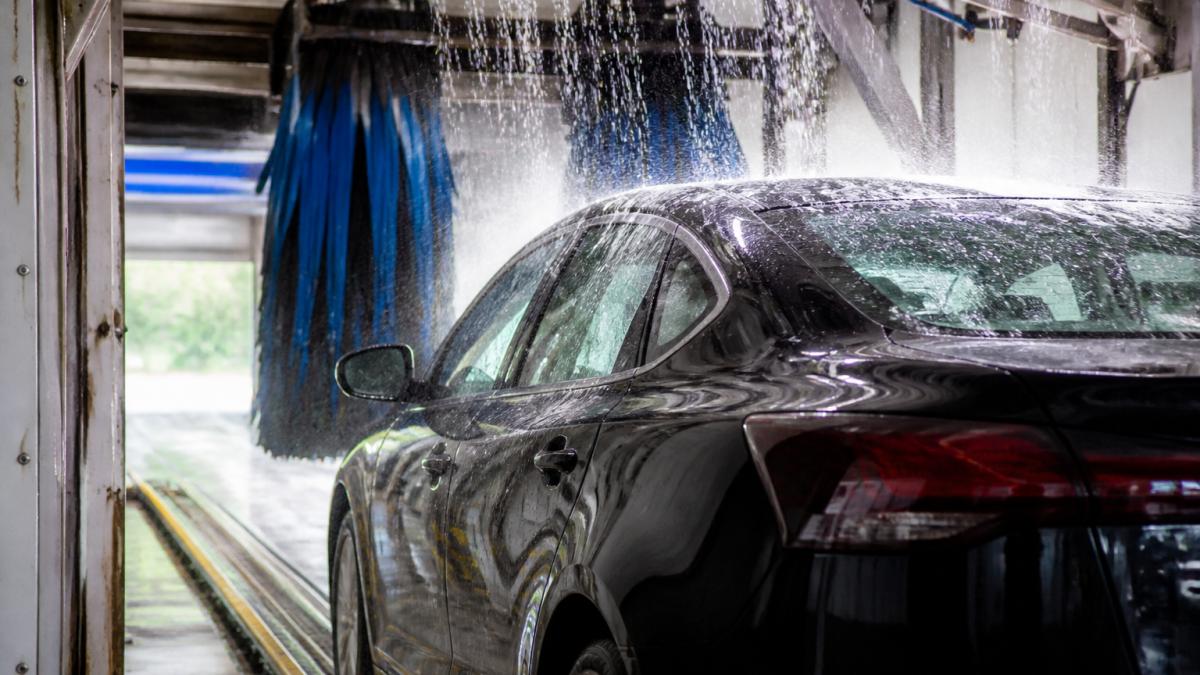
Protecting paint starts before you enter the tunnel.
Follow these steps:
- Choose a wash package with a protective coating or wax
- Remove heavy mud and debris before you go in
- Skip washes right after a fresh paint job or repair
- Dry the car well if you hand-dry afterward
- Rinse off bird droppings and sap as soon as you spot them
When to Skip an Express Wash Entirely
Fresh paint needs weeks to cure before brushes touch it. Heavy mud should be hosed off first, since brushes can drag grit across panels. And if your car has loose trim or a damaged mirror, fix it before the tunnel.
Vehicle-Specific Considerations: Trucks, Fleets, and Daily Commuters
For households with more than one car, a Family Plans option lets you add up to three extra vehicles to a membership and save on each one. One plan, one payment, more shine.
Cost Over Time: Wash Plans vs. Pay-Per-Wash
A wash plan usually beats pay-per-wash for anyone who washes twice a month or more. The math favors a membership once your frequency climbs, but the useful question is where the break-even point actually sits for your driving.
The Break-Even Math
- If a membership costs $30 per month and a single express wash costs $12, the break-even is 2.5 washes per month. Wash three or more times and the membership is cheaper.
- If a membership costs $15 per month and a single wash costs $10, the break-even is 1.5 washes per month. Two washes a month already puts you ahead.
- If a membership costs $40 per month and a single wash costs $15, the break-even is about 2.7 washes per month. Three washes a month is the tipping point.
When Pay-Per-Wash Wins
Pay-per-wash also wins when your frequency is unpredictable. A membership only pays off if you actually use it. If you travel for weeks at a time or your car sits for long stretches, the per-wash option keeps your cost aligned with your actual use.
When a Membership Wins
Our Heroes Squad Memberships start at $15/month with no contracts, license plate recognition, and $1 from every membership supporting veterans’ mental health. That combination of price and purpose is hard to match.
Building Your Express Wash Routine at Heroes Car Wash
Here is the challenge: a wash schedule only works if it is easy to keep. Miss a few weeks and the buildup returns. The fix is a routine that fits your drive.
Frequently Asked Questions
How often can I wash my car?
Most drivers do well washing every two weeks, but the right express car wash frequency depends on conditions. In winter with road salt, wash weekly or after every storm. In summer with pollen and bird droppings, every 10 to 14 days keeps paint protected. If you park in a garage and drive little, monthly can be enough. Watch your car: when you see grime, salt film, or droppings, wash sooner rather than later.
Is it safe to use an automatic car wash every week?
Yes, for most modern vehicles. Weekly express car wash use is safe when the equipment is well maintained and uses soft foam or cloth, not stiff bristles. The bigger risk is skipping wax or a protective coating, which leaves clear coat exposed to UV and contaminants. If your car has fresh paint, a wrap, or aftermarket trim, check with the wash operator first. A weekly wash with a protectant package is generally fine year-round.
Can frequent car washes damage your car’s paint?
Frequent washing itself does not damage paint. Damage comes from dirty brushes, harsh chemicals, or washing a car covered in abrasive grit without a pre-rinse. Express tunnels that rinse before contact and use soft materials reduce that risk. To protect car paint at a car wash, choose a wash with a clear-coat protectant, avoid washing right after a repaint, and remove bird droppings or tree sap promptly rather than letting them sit.
How soon should you wash your car after bird droppings or tree sap?
As soon as you can, ideally within 24 to 48 hours. Bird droppings are acidic and can etch clear coat if left in the sun, and tree sap hardens and bonds to paint. An express car wash with a pre-soak and bug-and-tar remover handles most fresh deposits. For stubborn spots, ask for a targeted pre-treatment rather than scrubbing hard, which can scratch the finish.
