Table of Contents
- Is Express Car Wash Safe for Your Vehicle?
- How Express Car Washes Work and What Contacts Your Paint
- Can Car Washes Scratch Your Car? Real Risks Explained
- Touchless Car Wash Pros and Cons
- How to Prepare Your Car for a Car Wash
- Paint Protection: Coatings and Wax as Safeguards
- Express Wash vs. Hand Washing: Which Is Safer?
- What to Do After Suspected Wash Damage
- Frequently Asked Questions
Last Updated: October 16, 2026
Is Express Car Wash Safe for Your Vehicle?
The question comes up every time you pull into a car wash tunnel. Will the brushes scratch your paint? At Heroes Car Wash, we understand these concerns because we hear them constantly from customers weighing whether an express car wash is the right choice for their vehicles.
The short answer: an express car wash is safe when you understand how it works and take the right precautions. But safety depends on several factors, the equipment used, your vehicle’s current condition, and how well the wash is maintained.
This guide breaks down what actually happens inside an express tunnel, what risks exist, and how to protect your vehicle before, during, and after the wash. We’ll also compare express washing to other methods so you can make an informed decision based on your specific situation.
How Express Car Washes Work and What Contacts Your Paint
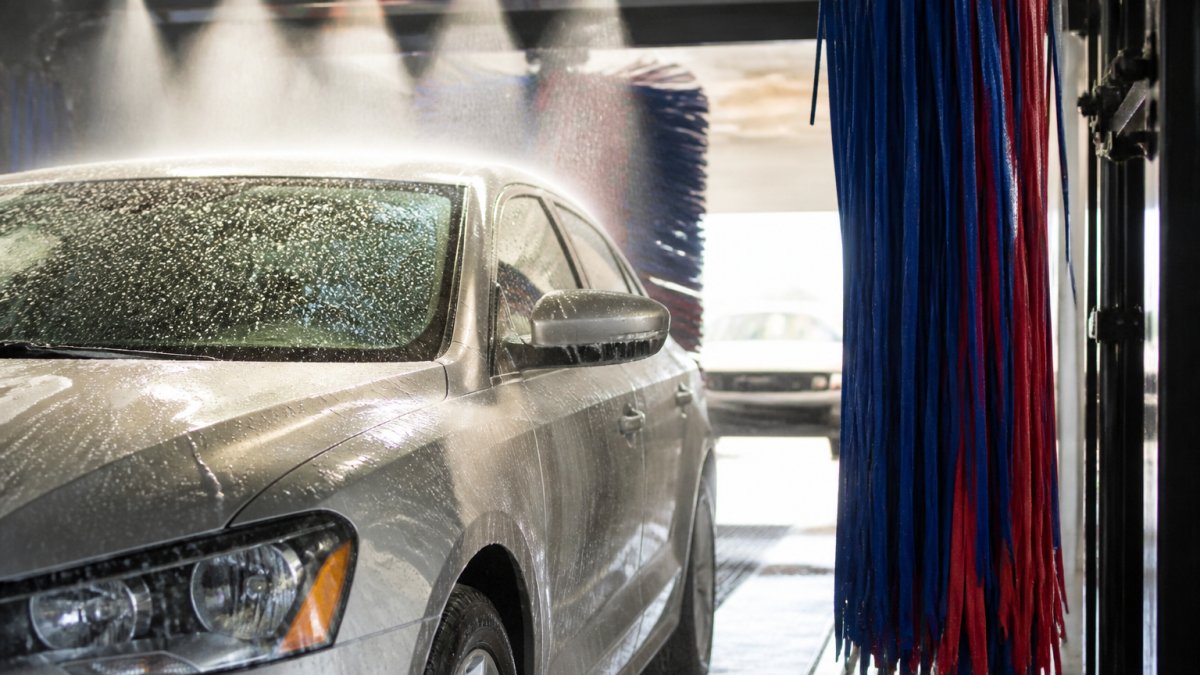
An express car wash is a tunnel system where your vehicle moves through on a conveyor while brushes, cloth, foam, and high-pressure water jets clean the exterior. The entire process takes three to five minutes. Understanding what physically touches your car is the key to assessing safety.
Brush-Style Wash Systems
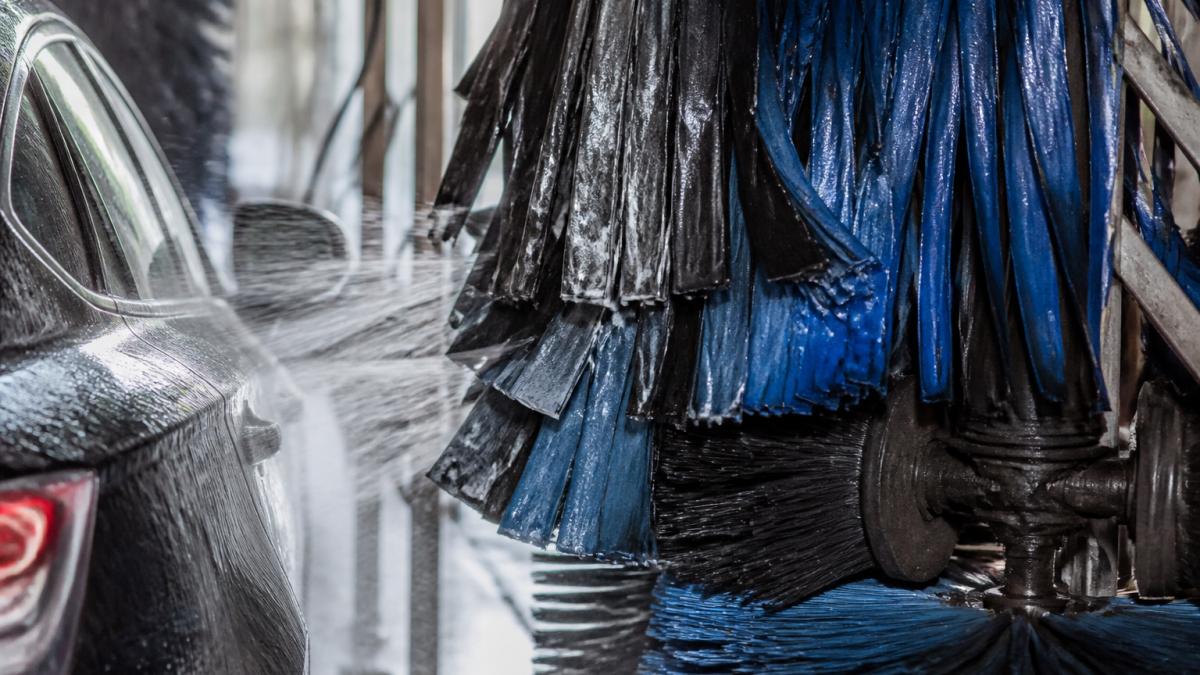
Traditional brush-style express car washes use rotating nylon or plastic bristles. These brushes make direct contact with your vehicle’s paint, trim, and windows. The brushes spin at high speed and are designed to agitate dirt and grime off the surface.
The concern is legitimate: if a brush is worn, damaged, or hasn’t been properly maintained, it can leave microscopic scratches. Dirt particles trapped in bristles can also cause light abrasion. Many vehicle owners avoid brush-style washes for this reason, especially on new or recently detailed cars.
However, modern brush systems at well-maintained facilities use softer materials than older equipment. The brushes are replaced regularly, and the wash process includes pre-rinse stages that remove loose dirt before the brushes make contact. This reduces, though doesn’t completely eliminate, the risk of scratches.
Soft-Cloth and Foam Wash Options
Soft-cloth systems use microfiber or similar materials instead of hard bristles. These make gentler contact with your vehicle’s paint finish. Foam wash systems apply thick soap foam that lifts dirt without direct brush contact, relying instead on high-pressure water jets to rinse away contaminants.
Soft-cloth washes are generally considered safer than traditional brush systems. The cloth media is softer, wears more evenly, and is replaced more frequently. Foam washes eliminate brush contact entirely, making them the safest express option for paint-conscious owners. However, foam washes may not remove heavy dirt or caked-on mud as effectively as brush systems.
Can Car Washes Scratch Your Car? Real Risks Explained
Yes, car washes can scratch your car. The risk is real, but it’s manageable with the right approach and equipment choice.
Scratches happen when hard particles (dirt, sand, grit) get trapped between the wash media and your paint. As brushes or cloth move across the surface, those particles act like sandpaper. The damage accumulates over time, creating swirl marks and dulling the finish. Clear-coat damage is the biggest concern because once that protective layer is compromised, rust and oxidation can begin.
Swirl Marks and Clear-Coat Damage
Swirl marks are fine, circular scratches visible under bright light. They’re the most common wash-related damage. A single express car wash rarely causes noticeable swirl marks, but repeated washing with inadequate pre-rinse can accumulate visible damage over months.
Clear-coat is a transparent protective layer applied over your vehicle’s paint color. It’s designed to take damage so the paint underneath stays protected. However, clear-coat is only so thick. Deep scratches or repeated light scratches can wear through it completely. Once that happens, UV exposure and moisture cause the paint to oxidize and fade.
The risk increases if your vehicle is already dirty when you arrive. Dried mud, road salt, and embedded dirt particles are more likely to cause scratches than a car that’s been pre-rinsed with a hose. This is why pre-wash preparation matters so much.
Trim, Mirrors, and Antenna Damage
Your vehicle’s trim pieces, mirrors, and antenna are more vulnerable than painted surfaces. Rubber trim can be torn by aggressive brushes. Mirror housings can be cracked. Antennas can be bent or snapped off.
Express car washes with well-maintained equipment and proper spacing cause minimal trim damage. But older systems or poorly adjusted equipment can catch trim pieces. Automatic car washes that don’t account for aftermarket parts (roof racks, side mirrors, spoilers) pose higher risk.
Touchless Car Wash Pros and Cons
Touchless car washes use only high-pressure water jets and chemicals to clean your vehicle. No brushes, no cloth, no physical contact. The appeal is obvious: zero risk of scratches from wash equipment.
Pros:
- No brush or cloth contact eliminates scratch risk
- Safest option for new vehicles or recently detailed paint
- Fast and efficient like other express systems
- Works well on lightly soiled vehicles
Cons:
- High-pressure water can force water into door seals and trim gaps, potentially causing interior leaks
- Less effective on heavily soiled vehicles, dried mud, or caked-on dirt
- Chemical detergents are stronger to compensate for lack of mechanical action
- More expensive than traditional brush washes at many facilities
Touchless washes are genuinely safer for your paint finish. But they trade paint safety for other risks, water intrusion and chemical exposure. For most daily-driver vehicles, a well-maintained soft-cloth express wash offers the best balance.
How to Prepare Your Car for a Car Wash
What you do before entering the tunnel matters as much as the equipment inside. Proper preparation reduces damage risk significantly.
Pre-Wash Checklist
Before you drive into an express car wash, take these steps:
- Rinse loose dirt with a hose, Remove dried mud, road salt, and loose debris. This is the single most important step. Loose particles are what cause scratches.
- Check for loose trim or damage, If your bumper is cracked or trim is already loose, the wash could make it worse. Address it first.
- Close all windows and sunroofs, Even a small gap can let water spray inside.
- Remove antenna if it’s aftermarket, Many express washes catch non-standard antennas.
- Ensure fuel door is closed, Some older vehicles have fuel doors that aren’t flush with the body.
- Check that mirrors fold properly, If they don’t retract smoothly, they might get caught.
During and After the Wash
Once you’re in the tunnel, there’s little you can control. But after the wash, take these steps:
- Dry your vehicle promptly, Water spots form when mineral-rich water evaporates. Use a microfiber cloth or chamois to dry the exterior and windows.
- Check for water in door seals, If you notice water dripping from doors or trim, dry it immediately to prevent mold or rust.
- Inspect for damage, Look for new scratches, trim damage, or other issues while the paint is wet and easier to see clearly.
- Apply protectant if needed, If you see minor swirl marks, a quick coat of spray wax can seal them temporarily.
Paint Protection: Coatings and Wax as Safeguards
Paint protection products create a barrier between your clear-coat and external damage.
Wax is the most common protection. A good coat of wax reduces friction between wash equipment and paint, making scratches less likely. It also makes water bead off, reducing water spots.
Ceramic coatings are more durable than wax. They bond to the clear-coat and provide longer-lasting protection, often 12 to 24 months between applications.
Paint protection film (PPF) is a clear plastic layer applied to high-impact areas like the front bumper, hood, and mirrors. It’s the most comprehensive protection but also the most expensive.
For most vehicle owners, regular wax application provides good protection without significant cost. Ceramic coatings make sense if you wash frequently.
Express Wash vs. Hand Washing: Which Is Safer?
Hand washing is often cited as the safest washing method. You control the pressure, speed, and contact. You can inspect each area carefully and avoid problem spots. But hand washing has hidden risks too.
Hand washing takes 30 to 45 minutes. The longer your vehicle sits wet, the more time water has to seep into crevices and cause rust.
Most importantly, hand washing requires skill. Using the wrong pressure, dirty water, or aggressive scrubbing can cause more damage than an automatic system.
An express car wash at a well-maintained facility is comparable in safety to hand washing by someone who knows what they’re doing. It’s faster and uses less water.
For most people, express car wash safety is equivalent to hand washing safety, with the added benefit of speed and consistency.
What to Do After Suspected Wash Damage
If you notice scratches, trim damage, or water intrusion after an express car wash, take action quickly.
For paint scratches:
- Assess the depth. Light scratches that don’t expose primer can often be polished out or sealed with touch-up wax.
- Document the damage with photos in good lighting.
- If the damage is significant, contact the car wash facility. Many reputable operations have insurance for damage claims.
- For deep scratches, professional detailing or touch-up paint may be necessary.
For trim or mirror damage:
- Check if the part is repairable or needs replacement.
- Report it to the facility immediately while you’re still there if possible.
- Get a written incident report for insurance purposes.
For water intrusion:
- Dry the affected area immediately.
- Leave doors and windows open in dry conditions to allow moisture to evaporate.
- Check for mold or mildew in the following days.
- If water damage occurs repeatedly at the same facility, stop using that location.
The best protection is choosing a well-maintained express car wash facility. Look for:
- Regular equipment maintenance and brush replacement
- Pre-rinse stages before contact wash
- Soft-cloth or foam options, not just brushes
- Positive customer reviews specifically mentioning paint safety
- Staff who can explain their equipment and cleaning process
An express car wash is safe for your vehicle when you choose the right facility and prepare properly. The equipment matters, soft-cloth and foam systems are gentler than older brush systems. Your preparation matters more, a quick pre-rinse removes loose dirt that causes scratches. And your vehicle’s protection matters too, wax or ceramic coating reduces damage risk significantly.
At Heroes Car Wash, we are dedicated to delivering a high-quality cleaning experience for your vehicle with efficiency and care. Whether you’re a busy commuter needing a quick wash before work or a fleet manager responsible for multiple vehicles, we’re committed to delivering both speed and safety. Get started with Heroes Car Wash and keep your vehicle looking clean and protected.
Frequently Asked Questions
Can an express car wash scratch your car?
Express car washes can scratch your vehicle if equipment is poorly maintained or if dirt and grit are not pre-rinsed properly. The risk depends on wash type: brush-style systems pose higher risk than touchless or soft-cloth washes. Swirl marks and fine scratches occur when abrasive particles contact your clear coat under friction. Regular maintenance of wash equipment and a pre-rinse before entering the tunnel significantly reduce this risk.
Is a touchless car wash safer than an express tunnel wash?
Touchless washes eliminate friction-based scratching because no brushes or cloth media contact your paint. However, they rely on high-pressure water and stronger cleaning chemicals, which can damage trim, seals, and loose parts. Express tunnel washes with well-maintained soft cloth or foam media pose lower chemical risk but higher physical contact risk. The safest choice depends on your vehicle’s condition and trim integrity.
What should I do before taking my car through an express car wash?
Inspect your vehicle for loose trim, damaged seals, or cracked mirrors before washing. Close all windows and sunroofs fully. Remove any roof racks or loose items. Pre-rinse heavy dirt and grit manually if possible to reduce abrasive particles in the wash. Check that all doors and fuel caps are secure. These steps prevent damage to exterior finishes and reduce the risk of water entering your vehicle.
How often is it safe to use an express car wash?
Weekly express car washes are generally safe for vehicles with intact clear coat and protective wax or ceramic coating. Without protection, limit washes to every 10-14 days to minimize cumulative scratch risk. Frequency depends on environmental factors like road salt, pollen, and dust in your area. Vehicles in harsh conditions benefit from protective coatings that allow more frequent washing without paint damage.